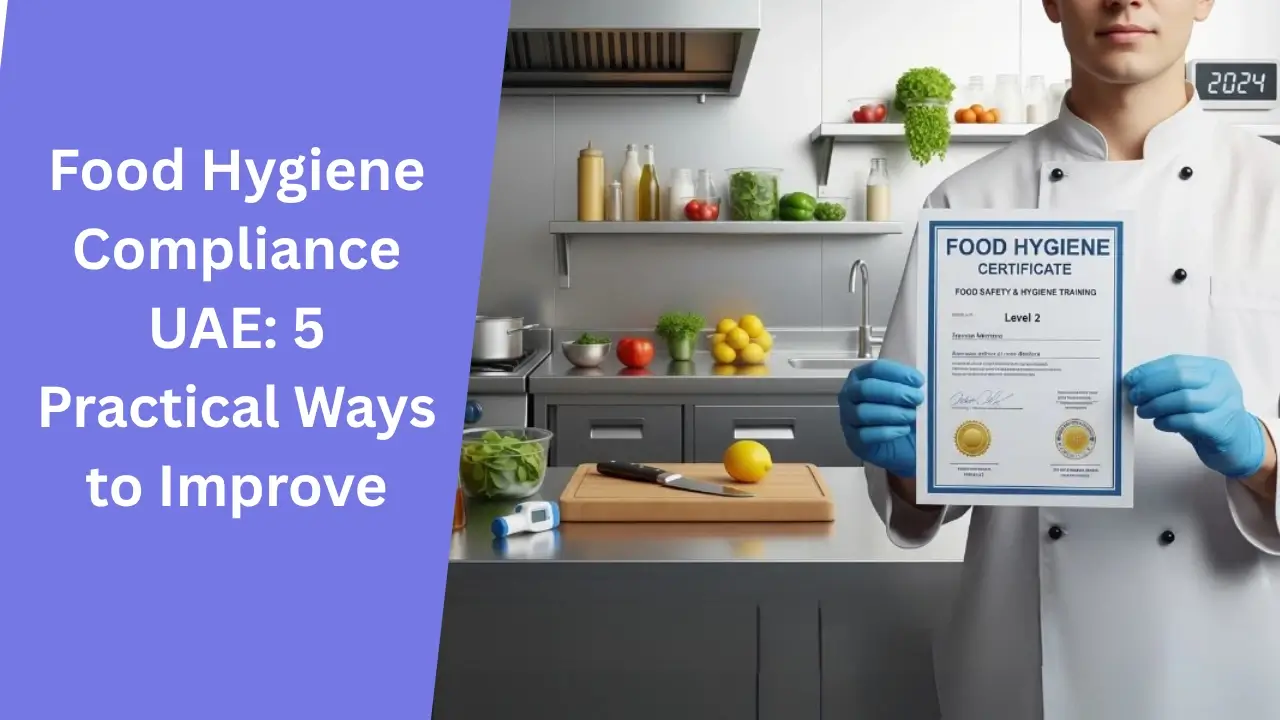
Food safety is particularly important in the UAE due to its strict regulations and hot weather conditions. Poor hygiene can cause food waste, fines, and loss of customer trust. Improving hygiene compliance helps food businesses protect both people and products.
To improve hygiene compliance in the UAE, food businesses should focus on clean storage, staff training, safe handling, pest control, and regular checks. These steps reduce risks and support daily operations.
Using the right storage tools and working with a reliable plastic crates supplier in the UAE also supports better hygiene from start to end.
Expert Ways Food Businesses Can Improve Hygiene Compliance in the UAE
Below are expert-approved steps that food businesses can follow to meet hygiene rules, reduce contamination risks, and maintain safe food handling across daily operations.
1. Use Clean and Food-Safe Storage Solutions
Clean storage is the basis of good hygiene in any food business.
Food items should never touch dirty floors or unsafe surfaces. Use storage units that are easy to wash and do not absorb moisture or smells.
These units should resist heat and daily wear. When storage tools stay clean, bacterial growth is reduced. This helps food stay fresh for longer and supports hygiene rules set by local authorities.
2. Train Staff on Hygiene Rules and Habits
Staff play a big role in food safety. Every worker should know basic hygiene rules and follow them daily. Training should cover hand washing, clean uniforms, and safe food handling.
Workers must understand why these rules matter, not just how to follow them. Regular training refreshes good habits and reduces mistakes.
Well-trained staff help businesses pass inspections and keep food safe for customers.
3. Follow Proper Food Handling and Separation
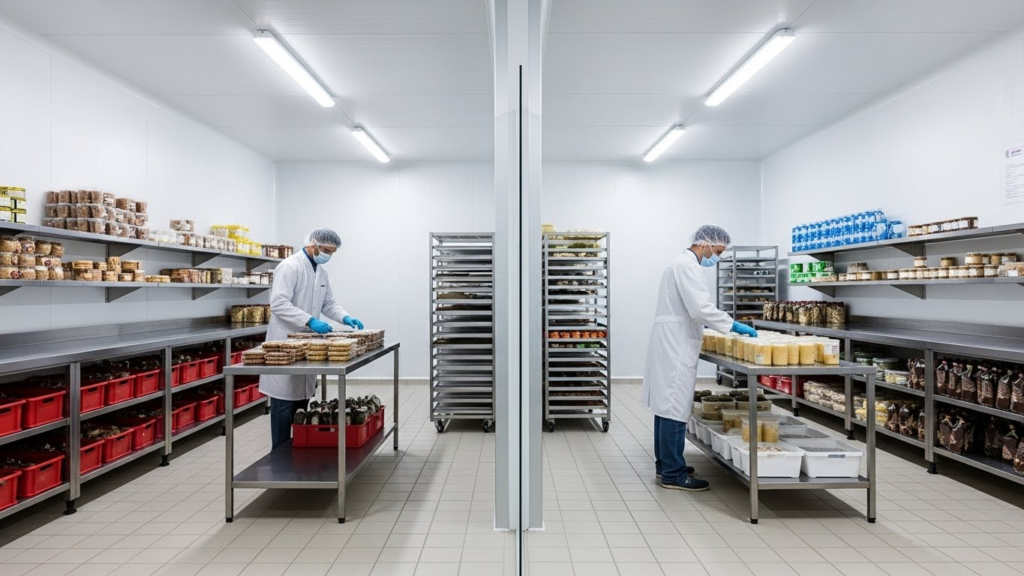
Food should be handled carefully from service delivery. Raw and cooked foods must be stored separately to avoid cross-contact. Use clear labels to mark food type and dates.
Follow first in, first out methods to avoid expired stock. Keep food covered during storage and movement.
Proper handling lowers the risk of contamination and helps meet hygiene standards in the UAE.
4. Maintain Clean Premises and Control Pests
A clean workspace supports strong hygiene compliance. Floors, walls, and storage areas should be cleaned daily. Waste bins must be covered and emptied often. Pest control is also important, especially in warm weather.
Regular pest checks prevent insects and rodents from entering food areas. Clean surroundings reduce health risks and show inspectors that hygiene is taken seriously.
5. Perform Regular Hygiene Checks and Records
Regular checks help find hygiene issues early. Create a simple cleaning and inspection schedule and follow it strictly. Keep records of cleaning, temperature checks, and staff training.
These records help during inspections and show compliance with local rules. Small daily checks prevent large problems later. Consistent monitoring keeps food safety standards high at all times.
Conclusion
Improving hygiene compliance in the UAE requires daily effort and clear systems. Clean storage, trained staff, safe handling, pest control, and regular checks work together to protect food quality.
These steps help businesses avoid penalties and build customer trust. Choosing the right storage partner also supports long-term hygiene success, especially when working with a trusted plastic crates supplier in the UAE.